Renovation Guides
Custom Home Building Planning Guide for Canadians
March 19, 2026 · 8 min read · Red Seal Pro Team
Building a custom home is one of the most exciting — and most stressful — things a Canadian homeowner can do. Unlike buying an existing home, you get to design every detail. But that freedom comes with a lot of decisions, a lot of money at stake, and a lot of ways things can go wrong.
This guide walks you through the key steps of planning a custom home build in Canada, from setting your budget to choosing the right builder.
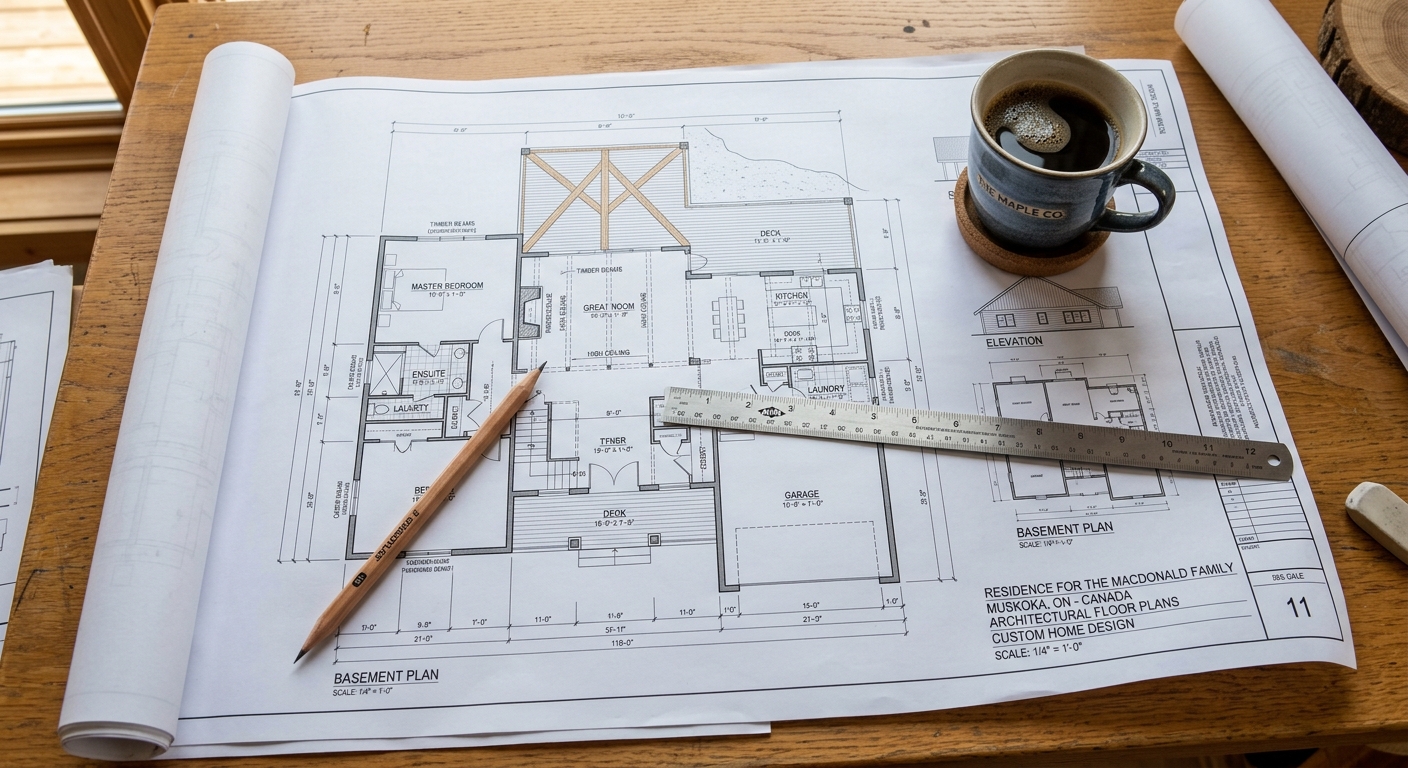
Step 1: Set a Realistic Budget
The biggest mistake first-time custom home builders make is underestimating costs. In 2026, the average cost to build a custom home in Canada ranges from $250 to $500+ per square foot, depending on your province, location, and finishes.
Here's a rough breakdown for a 2,500 sq ft home:
| Cost Category | Estimated Range |
|---|---|
| Land purchase | $200,000 – $1,500,000+ |
| Site preparation & servicing | $30,000 – $100,000 |
| Construction (hard costs) | $625,000 – $1,250,000 |
| Design & engineering | $25,000 – $75,000 |
| Permits & fees | $10,000 – $40,000 |
| Landscaping | $15,000 – $50,000 |
| Contingency (10-15%) | $70,000 – $150,000 |
Always include a 10-15% contingency in your budget. Custom builds almost always encounter unexpected costs — from soil conditions to material price increases to design changes mid-build.
Land costs vary dramatically. A lot in rural Alberta might cost $50,000, while a teardown lot in Vancouver or Toronto can easily exceed $1.5 million. Your land cost will likely be the single biggest variable in your total budget.
Step 2: Choose Your Location Carefully
Where you build affects everything — not just the land price, but also:
- Municipal bylaws and zoning — What you can build, how tall, how close to lot lines, secondary suite allowances
- Utility connections — In rural areas, you may need to pay for water, sewer, hydro, and gas connections separately
- Soil and terrain — Rocky or sloped lots cost significantly more to prepare
- School districts and amenities — Affects long-term property value
- Climate considerations — Building in Northern BC requires different insulation, heating, and foundation strategies than building in the Fraser Valley
Before you buy land, check with the local municipality about zoning restrictions. Some areas have strict rules about house size, height, setbacks, and even exterior materials.
Step 3: Assemble Your Team
A custom home build requires several professionals working together. Here's who you need:
Architect or home designer — Creates your floor plans and elevations. An architect is required for complex designs or if your municipality demands stamped drawings. A residential designer can handle simpler projects at lower cost.
Structural engineer — Required for most custom builds. They ensure your design is structurally sound and meets building code requirements.
General contractor (builder) — Manages the entire construction process, hires subtrades, orders materials, and keeps the project on schedule and budget.
Interior designer (optional) — Helps with finishes, fixtures, cabinetry, and layout decisions. Can save you money by avoiding costly design mistakes.
Start interviewing builders early — good custom home builders in Canada are often booked 6 to 12 months out. Don't wait until your plans are finished to start looking.
Step 4: Understand the Permit Process
Every municipality in Canada requires building permits for new home construction. The process typically involves:
- Zoning review — Confirming your plans comply with local zoning bylaws
- Building permit application — Submitting architectural drawings, engineering reports, and site plans
- Development permit (some areas) — Additional approval for design, landscaping, or environmental requirements
- Inspections — Multiple inspections at key stages: foundation, framing, insulation, rough-in plumbing/electrical, and final
| Province | Typical Permit Timeline |
|---|---|
| British Columbia | 8 – 16 weeks |
| Alberta | 4 – 10 weeks |
| Ontario | 10 – 20 weeks |
| Quebec | 6 – 12 weeks |
Pro tip: Permit timelines have gotten longer since COVID. In some municipalities in the Greater Toronto Area and Metro Vancouver, you could wait 6+ months for permit approval. Factor this into your project timeline.
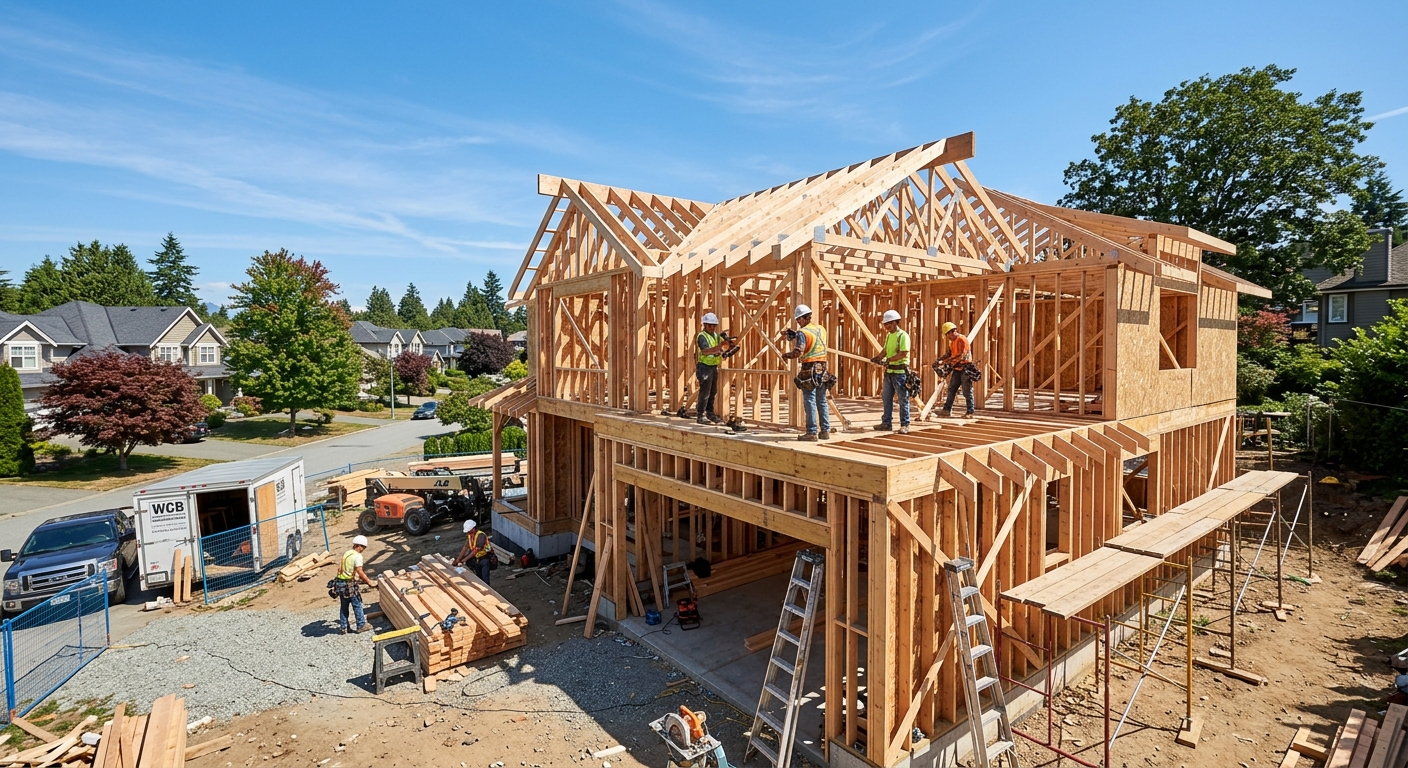
Step 5: Choose the Right Builder
This is the most important decision you'll make. A bad builder can turn your dream home into a nightmare. Here's what to look for:
Verify credentials:
- Valid business licence in your municipality
- Provincial home builder licence (required in BC through BC Housing, in Ontario through HCRA)
- Workers' compensation coverage (WorkSafeBC, WSIB, etc.)
- General liability insurance ($2M minimum)
Check their track record:
- Ask for at least 5 references from completed projects
- Visit homes they've built if possible
- Check for complaints with your provincial consumer protection office
- Look for online reviews — but verify they're from real clients
Get detailed quotes:
- A professional builder should provide a comprehensive, itemized quote
- Be wary of quotes that are significantly lower than others — they often lead to cost overruns
- Understand what's included and what's considered an "extra"
Red flags to watch for:
- Demands large deposits upfront (more than 10%)
- No written contract or vague contract terms
- Can't provide references or proof of insurance
- Pressures you to start before permits are approved
- No fixed address or professional office
In BC, all residential builders must be licensed through BC Housing. In Ontario, builders and vendors of new homes must be licensed through the Home Construction Regulatory Authority (HCRA). Check your province's requirements before hiring.
Step 6: Plan for Energy Efficiency
Building new gives you a unique opportunity to build energy-efficient from the start. In Canada, this matters more than almost anywhere else because of our climate.
Consider these upgrades:
- Heat pump system — For both heating and cooling, significantly more efficient than gas furnaces
- High-performance insulation — Spray foam or continuous exterior insulation exceeding code minimums
- Triple-pane windows — Standard in colder regions, worth the investment everywhere
- Heat recovery ventilator (HRV) — Required by code in most provinces for new builds
- Solar-ready design — Even if you don't install panels now, rough in the wiring and plan roof orientation
Energy rebates for new builds: While most CleanBC rebates are for existing homes, some programs offer incentives for energy-efficient new construction. The BC Energy Step Code offers expedited permitting and potential incentives for homes built above the minimum energy requirements.
Check with your local municipality and utility provider for available new construction incentive programs.
Step 7: Protect Yourself Legally
A custom home build involves a lot of money and a long timeline. Protect yourself with:
A detailed construction contract that includes:
- Fixed price or cost-plus terms clearly defined
- Detailed scope of work and specifications
- Payment schedule tied to construction milestones
- Timeline with start and completion dates
- Warranty terms (minimum 2-5-1 warranty in most provinces)
- Change order process and pricing
- Dispute resolution mechanism
New home warranty — In BC (2-5-10 warranty through BC Housing), Ontario (Tarion warranty), Alberta (Alberta New Home Warranty Program), and other provinces, new home warranties are mandatory. Understand what's covered and for how long:
- 2 years — Labour and materials
- 5 years — Building envelope (water penetration)
- 10 years — Structural defects
Independent inspections — Consider hiring your own independent home inspector at key stages, separate from the municipal inspections. This adds cost but can catch issues your builder might miss.
Step 8: Timeline Expectations
A realistic timeline for a custom home build in Canada:
| Phase | Duration |
|---|---|
| Design & planning | 3 – 6 months |
| Permits | 2 – 6 months |
| Site preparation | 2 – 4 weeks |
| Foundation | 3 – 6 weeks |
| Framing | 4 – 8 weeks |
| Mechanical rough-in | 3 – 5 weeks |
| Insulation & drywall | 3 – 5 weeks |
| Interior finishes | 6 – 10 weeks |
| Final inspections & occupancy | 2 – 4 weeks |
| Total | 12 – 24 months |
Weather plays a major role. If you're building in a region with harsh winters, plan your foundation work for spring or summer. Pouring concrete in freezing temperatures is possible but adds cost and risk.
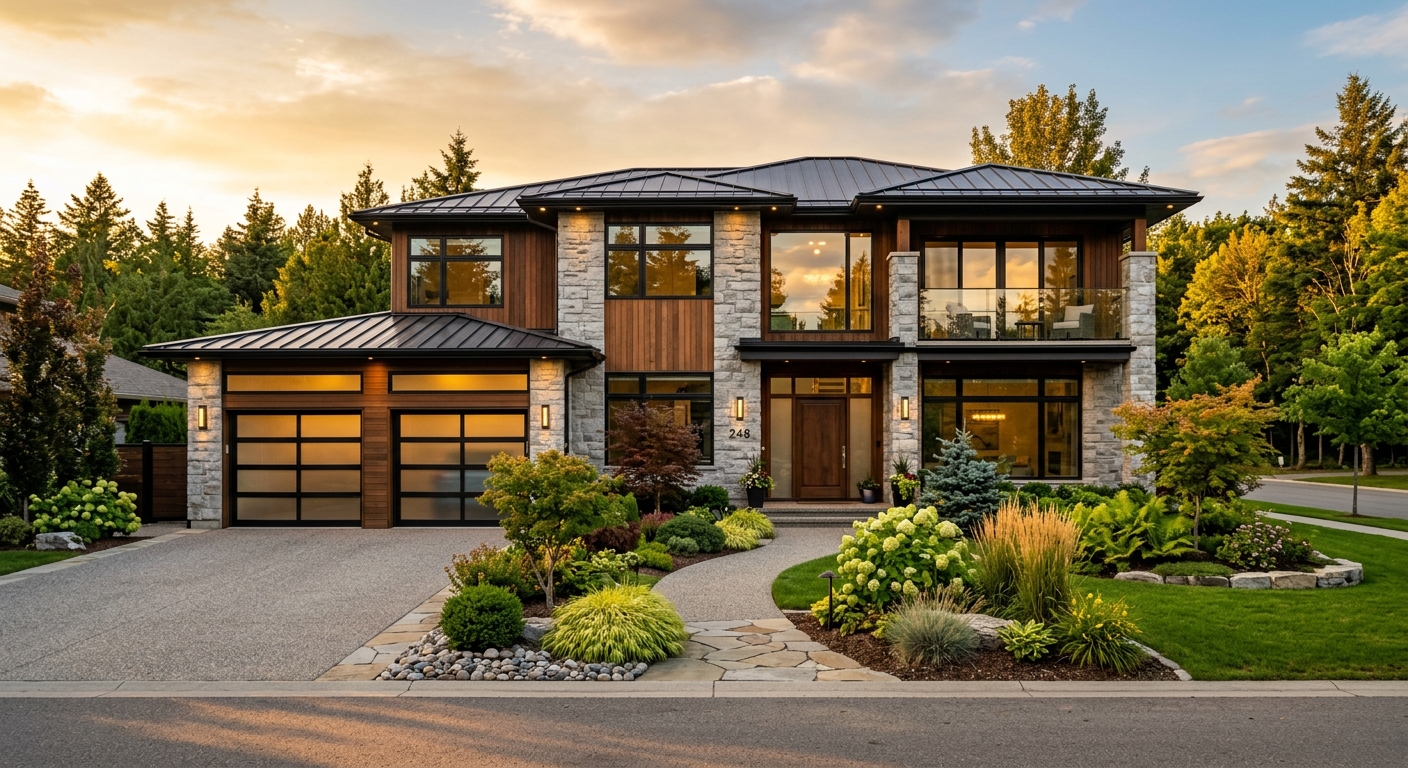
The Bottom Line
Building a custom home in Canada is a major undertaking, but with proper planning, the right team, and realistic expectations, it can be incredibly rewarding. The key is to take your time in the planning phase — rushing into construction without proper preparation is how budgets blow up and timelines stretch.
Red Seal Pro connects homeowners with verified, qualified contractors for every stage of your build. Whether you need a general contractor, HVAC specialist, electrician, or plumber — we help you find tradespeople you can trust.
Join our waitlist to get matched with top-rated builders in your area.